The Blood Stops Here®
Our vision is to achieve zero preventable deaths due to blood loss.

See you at OHSU!
Tricol hopes to see you at opens in a new windowOregon Health & Science University‘s annual gathering of experts in emergency and trauma care. Look for us at the opens in a new window35th Annual Northwest States Trauma Conference. We’re excited to share our latest hemostatic devices with the professionals who rely on them most.
Schedule Time to Talk create new email
Look for us and take away a mini Shelly!
Tricol Is Focused On Saving Lives Through Innovation In Hemostasis.
stop The Bleed!
Tricol Biomedical is a fully integrated medical device company dedicated to significantly advancing the standard of care in hemostatic and wound-care management. Born on the battlefield, our HemCon product line has grown to meet market needs in Trauma Management, Procedural Care, and Consumer Self-Care. We are fully committed to quality and innovation in bleeding control and wound-care technology using our proprietary chitosan, Chito+™.

Trauma Management
HemCon has been a long-standing pioneer in battlefield and pre-hospital hemostasis. In 2001, HemCon partnered with the U.S. Army to design a hemostatic dressing that would save the lives of soldiers who suffered traumatic injuries. Our proprietary chitosan, Chito+, was born.
Learn More
Procedural Care
Tricol offers unique, non-invasive solutions to quickly, safely control bleeding in medical procedures, in both acute and non-acute care settings.
Our proprietary chitosan, Chito+, is available in a variety of cost-effective products, especially compared to mechanical wound-closure devices.
Learn More
Consumer Care
Accidents happen. Be prepared with Tricol’s battlefield-proven bandages and gauze in the comfort of your home.
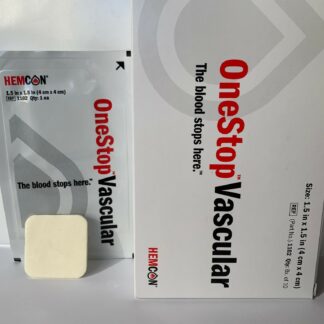
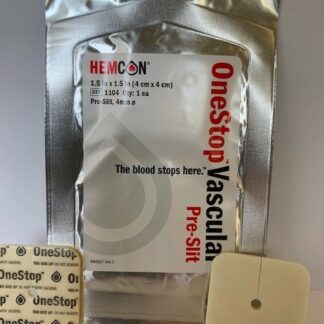
- OneStop™ Bandage controls bleeding rapidly, even for those on blood thinners. It also provides a barrier to bacterial penetration.
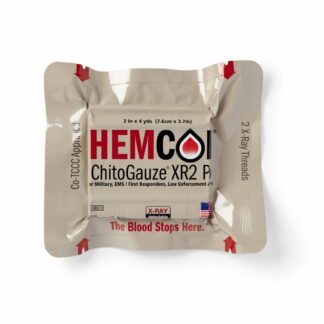
- ChitoGauze® controls bleeding from minor wounds.

Partners
Tricol partners with medical device companies in providing safe, effective hemostasis solutions for their medical interventions. With Tricol’s proprietary chitosan, Chito+, our partners are positioned at a higher level than their competitors.
Learn moreThe Science Behind Our Products

Our Proprietary Chitosan Products: Chito+
HemCon® PRO hemostatic products possess hemostatic activity that results from a strong polycationic (positive) charge from the incorporated HemCon PRO chitosan. This positive charge correspondingly promotes binding with biopolymers, tissues, and cells possessing inherent negative charge. Tricol’s Chito+ … fast at work.
Learn More
Enabling Hemostasis and the Natural Coagulation Pathway
Hemostatic HemCon PRO dressings from Tricol quickly enable hemostasis and allow the body to naturally journey through the coagulation pathway in order to clot.
Learn More